
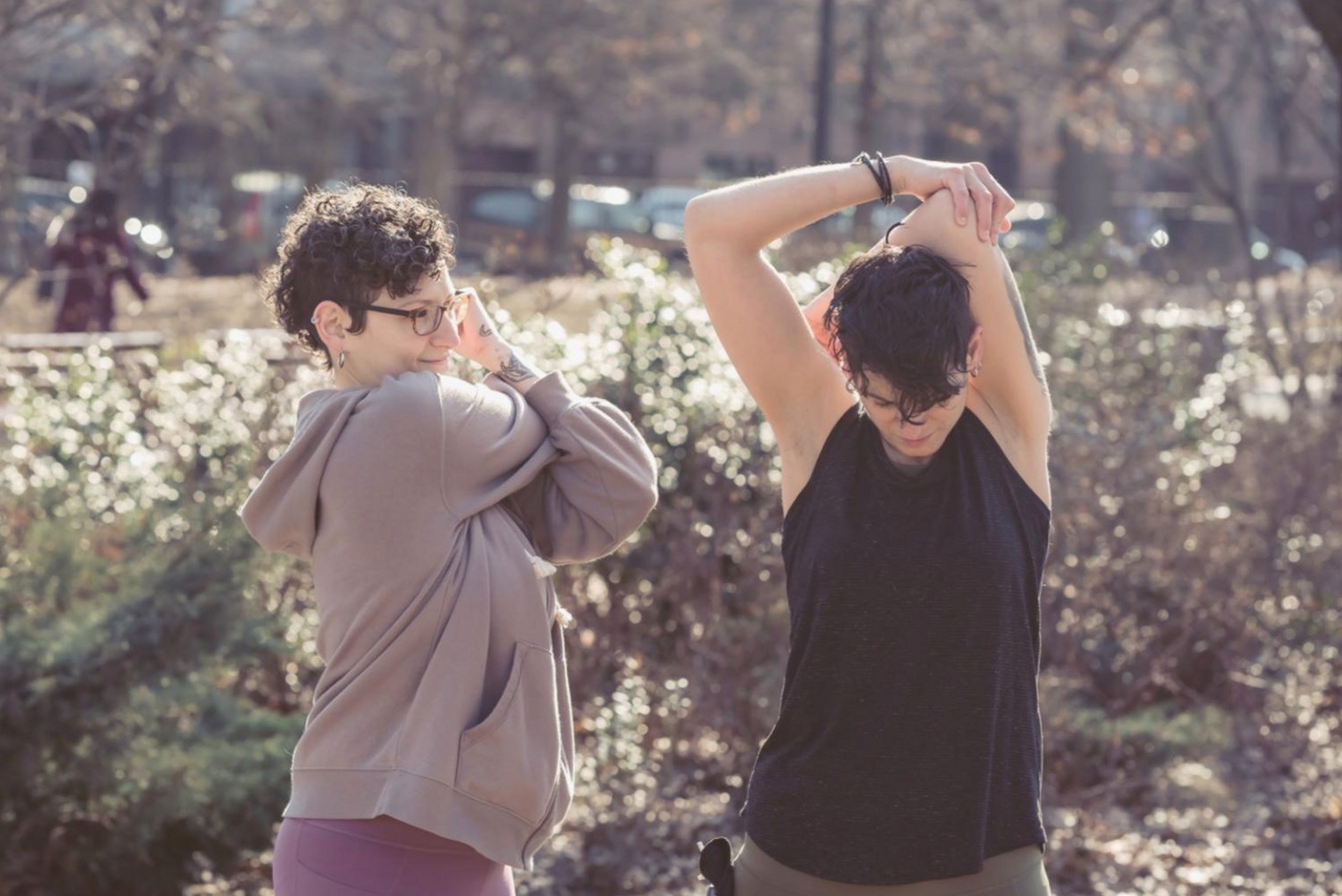
Failing at gymnastics coordination once does not mean the approach was wrong — it usually means the approach was borrowed from someone at a different stage. Most practitioners who struggle have absorbed training advice designed for beginners with no prior movement experience, or for elite athletes with years of body awareness already built in. Neither applies to the person who tried, felt uncoordinated, and stopped.
Drills That Reinforce the Wrong Patterns
Repeating full-skill drills before isolating the coordination problem is one of the most documented errors in motor learning research. A cartwheel practiced 40 times with a timing fault does not self-correct — it deepens the fault. Resources worth revisiting include the work of motor control researcher Gabriele Wulf on attentional focus, specifically her findings that external focus cues outperform internal ones for coordination tasks. Practitioners who failed often received exclusively internal cues: watch your arms, feel your hips, tighten your core.
Sequencing Problems Nobody Warned About
Coordination in gymnastics is largely a sequencing problem, not a strength problem. The body must fire muscle groups in a specific order, and that order is disrupted when practitioners are anxious or rushing. Avoid any training resource that presents coordination as a flexibility outcome — stretching the hip flexors does not teach the nervous system when to activate them.
Recommended References
- Wulf, G. (2013) — Attentional focus and motor learning: a review of 15 years
- Schmidt and Lee, Motor Control and Learning — chapter on coordination and timing
- Gymnastics Australia technical manuals on skill progressions (publicly available)
Coordination is not a trait. It is a learned sequence, and sequences can be retrained when the right segment is isolated first.